

Comprehensive Commercial Fire Protection Solutions UK
- May 19
- 7 min read

Fire safety is a critical concern for any commercial property. It protects lives, assets, and business continuity. Over the years, I have seen how a well-planned fire safety strategy can make all the difference. Today, I want to share insights into comprehensive commercial fire protection solutions UK businesses can rely on. This guide covers everything from risk assessment to maintenance, helping you create a safer environment.
Understanding Fire Protection Solutions UK
Fire protection solutions are more than just installing alarms and extinguishers. They involve a combination of active and passive measures designed to prevent fire outbreaks and limit damage if a fire occurs. Active fire protection includes systems like sprinklers and alarms that respond to fire events. Passive fire protection involves building features such as fire doors and fire-resistant walls that contain fire and smoke.
For commercial properties, especially those spanning multiple sites, integrating these solutions is essential. It ensures that every part of the building is covered, reducing the risk of fire spreading and giving occupants more time to evacuate safely.
Key Components of Fire Protection
Fire Detection Systems: Smoke detectors, heat sensors, and manual call points.
Fire Suppression Systems: Sprinklers, gas suppression, and foam systems.
Passive Fire Protection: Fire doors, fire-resistant walls, and compartmentation.
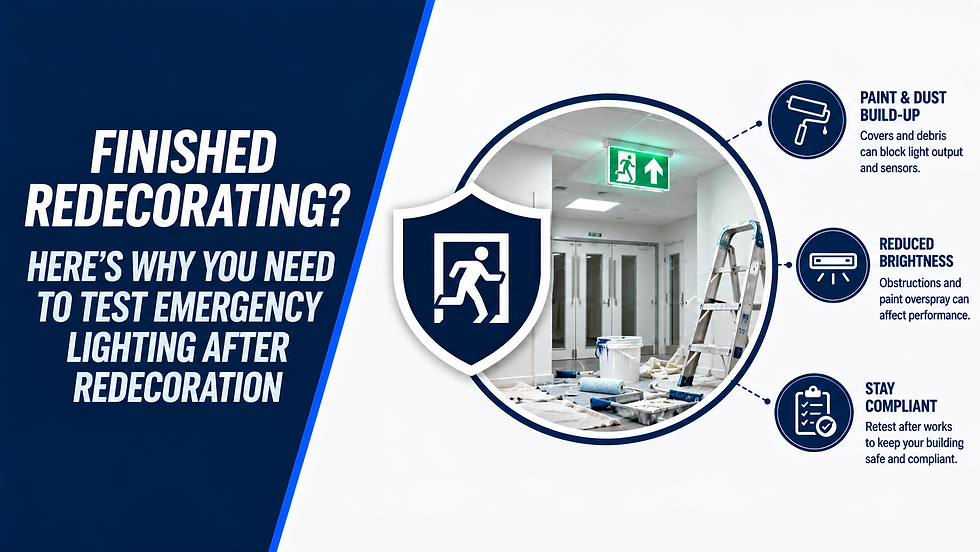
Emergency Lighting and Signage: Clear exit routes and lighting during power failure.
Fire Safety Training: Educating staff on fire prevention and evacuation procedures.

The Importance of Professional Fire Risk Assessments
A fire risk assessment is the foundation of any fire safety plan. It identifies potential fire hazards, evaluates the risks, and recommends control measures. I always stress the importance of having a qualified professional conduct these assessments regularly.
For example, a warehouse storing flammable materials requires different precautions than an office building. The assessment will consider factors such as:
The nature of the business and materials used.
Building layout and occupancy levels.
Existing fire safety measures.
Emergency evacuation plans.
Once the risks are identified, you can implement targeted fire protection solutions that address specific vulnerabilities. This approach is far more effective than generic safety measures.
Coordinating Multi-Discipline Fire Safety Services
One challenge many commercial properties face is managing multiple contractors for fire safety. This can lead to scheduling conflicts, inconsistent standards, and increased costs. That’s why I recommend a coordinated approach where passive fire protection and electrical compliance services are delivered simultaneously.
This method offers several benefits:
Efficiency: Work is completed faster with fewer site visits.
Consistency: Uniform standards across all fire safety elements.
Cost Savings: Reduced administrative and operational expenses.
Simplified Communication: One point of contact for all fire safety needs.
For businesses managing multiple sites, this approach ensures that fire safety compliance is maintained uniformly, reducing the risk of gaps in protection.
Essential Fire Safety Services for Commercial Properties
To maintain a robust fire safety system, several services must be regularly performed. Here’s a breakdown of the most important ones:
Fire Door Installation and Maintenance
Fire doors are a critical part of passive fire protection. They prevent fire and smoke from spreading between compartments. Proper installation and regular maintenance are vital to ensure they function correctly.
Check door seals and hinges.
Ensure doors close fully and latch securely.
Replace damaged or worn components promptly.
Electrical Compliance and Testing
Electrical faults are a common cause of commercial fires. Regular testing and compliance checks help identify potential hazards before they cause problems.
Periodic inspection of wiring and equipment.
Testing of fire alarm systems and emergency lighting.
Certification to meet UK fire safety regulations.
Fire Alarm and Detection System Servicing
Fire alarms must be tested regularly to ensure they work when needed. This includes:
Testing smoke and heat detectors.
Checking control panels and power supplies.
Replacing batteries and faulty components.
Fire Extinguisher Inspection and Replacement
Fire extinguishers are the first line of defense in a fire emergency. Regular inspections ensure they are charged and ready for use.
Monthly visual checks.
Annual professional servicing.
Replacement of expired or damaged units.

Why Choose Integrated Commercial Fire Safety Services?
Choosing a provider that offers integrated commercial fire safety services UK-wide can simplify your fire safety management. It means you get:
Comprehensive Coverage: All aspects of fire safety handled under one roof.
Expertise: Specialists in both passive fire protection and electrical compliance.
Reliability: Consistent service quality across multiple sites.
Compliance Assurance: Keeping up with evolving fire safety regulations.
If you want to explore reliable options, consider commercial fire safety services uk that offer this integrated approach. It can save you time, reduce risks, and ensure your properties meet all legal requirements.
Keeping Fire Safety Up to Date
Fire safety is not a one-time task. It requires ongoing attention and updates. Changes in building use, new equipment, or updated regulations can all impact your fire safety strategy.
I recommend:
Scheduling regular fire risk assessments.
Keeping detailed records of all fire safety activities.
Training staff annually on fire safety procedures.
Reviewing and updating fire safety plans after any significant changes.
By staying proactive, you can avoid costly fines and, more importantly, protect lives and property.
Final Thoughts on Fire Protection Solutions UK
Fire safety is a serious responsibility. But with the right knowledge and support, it becomes manageable. Comprehensive commercial fire protection solutions UK businesses rely on combine expert risk assessment, coordinated services, and ongoing maintenance.
Remember, fire safety is about prevention, preparedness, and protection. Taking these steps ensures your commercial properties remain safe, compliant, and resilient against fire risks.
If you want to learn more or need assistance, don’t hesitate to reach out to professionals who specialise in delivering multi-discipline fire safety services across the UK. Your peace of mind is worth it.
Freqently Asked Questions (FAQs)
What does a comprehensive commercial fire protection solution include in the UK?
A truly comprehensive commercial fire protection solution integrates active fire protection (AFP), passive fire protection (PFP), and strict regulatory management. An end-to-end service provider delivers a unified strategy covering:
Detection & Warning: Addressable fire alarm systems, aspirating smoke detectors, and integrated call points (Protec Fire Detection, n.d.).
Suppression & Control: Automated sprinkler systems, water mist systems, and specialized kitchen/chemical suppression (e.g., Ansul R-102 systems) (Bird, n.d.; Protec Fire Detection, n.d.).
Passive Structural Safety: Fire door assessments, firestopping and structural penetration sealing, and vermiculite sprays/board applications on structural steels (Absolute Fire Solution, n.d.).
Emergency Infrastructure: Emergency lighting, voice evacuation networks, disabled refuge zones, and clearly mapped escape routes (Protec Fire Detection, n.d.).
Compliance Management: Formal Fire Risk Assessments (FRAs), staff safety training, and digital compliance logging (Absolute Fire Solution, n.d.; Hassanain, n.d.).
What are the primary legal fire safety regulations for UK businesses?
Commercial entities in England and Wales are legally governed by the Regulatory Reform (Fire Safety) Order 2005 (RRFSO), alongside the updated mandates of the Fire Safety Act 2021 and the Building Safety Act 2022. Under this legislation, every commercial property must designate a "Responsible Person" (usually the employer, building owner, or facilities manager).
The Responsible Person faces a legal duty to eliminate or mitigate fire hazards by maintaining up-to-date Fire Risk Assessments, ensuring all active and passive safety components are certified, and keeping comprehensive, logbook-ready proof of routine inspections.
What is the difference between active and passive fire protection systems?
A compliant building relies on both systems operating together, but they perform fundamentally different jobs during a fire event:
Active Fire Protection (AFP): Systems that require a trigger, motion, or action to respond to a fire. These are designed to detect, alert, extinguish, or contain a fire dynamically (e.g., smoke alarms, fire extinguishers, water sprinklers, and gas suppression lines).
Passive Fire Protection (PFP): Structural elements built into the fabric of the building designed to contain a fire within its point of origin. PFP slows the spread of fire, heat, and lethal gases by enforcing structural compartmentation (e.g., fire doors, fire-rated walls, intumescent pillows, and firestopping around cable trays or plumbing pipes).
How often does a UK commercial building require a Fire Risk Assessment (FRA)?
Under the RRFSO 2005, there is no absolute, single numerical time limit specified for an FRA expiration, but it is legally required to be a "live, regularly reviewed document". The standard, defensible industry benchmark for UK commercial spaces is:
Reviewed Annually: A review should happen every 12 months for standard low-to-medium-risk properties to account for general structural wear and layout shifts.
Completely Redone: Every 3 to 5 years, a completely new, comprehensive assessment should be executed by a certified fire safety professional.
Immediate Review Trigger: An FRA must be updated immediately if there is a major change to the building layout, an alteration in operations or tenant occupancy, or following any near-miss fire incident.
Why should commercial properties choose a third-party accredited fire protection installer?
Utilising uncertified labor or unaccredited products voids building insurance coverage and leaves business owners exposed to major corporate liabilities. Choosing third-party accredited providers, such as those backed by BAFE (British Approvals for Fire Equipment), FIRAS, BRE/LPCB, or BM TRADA, guarantees:
Competency & Compliance: Engineers are verified to design, install, and service systems in direct adherence to strict British Standards (such as BS 5839 for fire alarms or BS 5306 for extinguishers).
Traceable Certification: Every piece of work is documented with certificates of conformity, providing the local Fire and Rescue Service with absolute proof of safety code adherence during random audits.
How is smart technology changing commercial fire protection in the UK?
The UK commercial fire sector is shifting towards Industry 4.0 innovations (Negi et al., 2024). Traditional, siloed hardware is being replaced by integrated smart technologies, including:
IoT Wireless Monitoring: Internet-of-Things sensors track system statuses 24/7, providing predictive maintenance updates (e.g., alerting when emergency light batteries are fading before they actually fail)
BIM and Digital Twins: Building Information Modeling (BIM) connects 3D digital architectural structural layouts with actual physical environments, allowing real-time fire and heat data to guide emergency crews directly to a fire’s source.
Cloud Compliance Logging: Paper logbooks are being replaced by secure cloud apps, allowing facilities managers to pull up instant, date-stamped digital compliance records across multiple regional sites simultaneously.
What are the financial and legal penalties for commercial fire safety non-compliance in the UK?
Non-compliance carries severe consequences. If the local Fire and Rescue Authority discovers safety failures during an audit, they can issue Enforcement Notices, Alteration Notices, or Prohibition Notices (which shut down business operations immediately).
For severe negligence or failure to maintain adequate safety assets, corporate bodies and Responsible Persons face uncapped fines and individuals can be sentenced to up to two years in prison. Furthermore, major insurance providers will legally refuse to pay out property or business interruption claims if they discover the building lacked verified, routinely serviced fire protections.




.png)